There's an undeniable magic in a perfectly crafted pizza. While gourmet toppings and a delicious sauce certainly play their part, the true soul of any great pizza lies in its crust. Forget the bland, store-bought alternatives; mastering your own homemade pizza dough recipe is simpler than you think and promises an unparalleled difference in flavor, texture, and satisfaction. Once you experience the crispy exterior and tender, chewy interior of a crust made from scratch, you'll never look back.
For many, the idea of working with yeast can seem daunting, but we're here to demystify the process. This comprehensive guide will walk you through an easy-to-follow homemade pizza dough recipe designed for success, even if you're a beginner. Get ready to elevate your pizza nights and impress your taste buds with a crust that's bursting with authentic flavor.
Why Homemade Pizza Dough Reigns Supreme
Why bother making your own when there are so many ready-made options? The answer is simple: quality, control, and an unbeatable culinary experience.
- Superior Flavor & Texture: Store-bought dough often lacks the depth of flavor and the ideal balance of chewiness and crispiness that fresh, properly proofed dough delivers. A homemade crust develops a complex taste thanks to the fermentation process, offering subtle yeasty notes and a delightful texture that perfectly complements your chosen toppings.
- Unmatched Freshness: You control every ingredient, ensuring only the freshest and highest-quality components go into your dough. No preservatives, no questionable additives – just pure, simple goodness.
- Customization at Your Fingertips: Want a thin, New York-style crust? A thicker, Neapolitan-inspired base? Or perhaps you'd like to infuse your dough with herbs like oregano or garlic powder? Making your own dough allows for complete creative freedom, letting you tailor the crust to your exact preferences.
- The Joy of Creation: There's immense satisfaction in creating something delicious from scratch. The process of kneading the dough, watching it rise, and then transforming it into a culinary masterpiece is incredibly rewarding.
Essential Ingredients for Your Perfect Homemade Pizza Dough Recipe
Achieving the ideal pizza dough starts with understanding your ingredients. This easy homemade pizza dough recipe relies on a few basic items, but the quality and type can make all the difference.
- Flour (1kg): This is the backbone of your dough.
- Tipo ‘00’ Flour: If you can find it, this finely milled Italian flour is the gold standard for traditional pizza dough. Its incredibly smooth texture leads to a silky dough that's easy to work with and bakes up beautifully.
- Strong White Bread Flour: A fantastic alternative. Look for one with a high protein content (around 12-14%). The higher gluten content in strong bread flour is crucial for developing an elastic dough that can be stretched thin without tearing and will provide a satisfying chew.
- Finely Ground Semolina Flour (optional, 200g if using 800g of other flour): Mixing in some semolina adds a lovely golden color, a subtle nutty flavor, and can contribute to a slightly crisper crust. It also makes the dough easier to handle.
- Pro Tip: The protein in flour forms gluten when hydrated and kneaded. Gluten networks are what give your dough structure and elasticity. For more in-depth knowledge on choosing the right flour, check out our guide on Flour Power: Pro Tips for Incredible Homemade Pizza Dough Texture.
- Fine Sea Salt (1 teaspoon): Crucial for flavor. Salt also helps to control yeast activity and strengthens the gluten structure, contributing to a better texture.
- Dried Yeast (2 x 7g sachets): This is what makes your dough rise, creating those delightful air pockets. Ensure your yeast is fresh and active for the best results. Instant dry yeast can be mixed directly with the flour, while active dry yeast usually needs to be proofed in lukewarm water first.
- Golden Caster Sugar (1 tablespoon): Sugar provides food for the yeast, helping it to activate and grow. It also aids in browning the crust, giving it that appealing golden-brown finish.
- Extra Virgin Olive Oil (4 tablespoons): Olive oil adds richness, flavor, and tenderness to the dough. It also contributes to a slightly crisper crust and can make the dough easier to handle.
- Lukewarm Water (650ml): The ideal temperature for activating yeast is between 38-43°C (100-110°F). Water that's too hot will kill the yeast, while water that's too cold won't activate it effectively.
Step-by-Step Guide to Crafting Your Homemade Pizza Dough
Follow these steps closely to create a beautiful, springy dough that will be the foundation of your incredible homemade pizza.
- Prepare Your Dry Ingredients: On a clean, flat work surface, sieve your chosen flour(s) and salt together. Sieving helps to aerate the flour and remove any lumps, ensuring a smoother dough. Create a large well (a hollow) in the center of the flour mound.
- Activate the Yeast: In a separate jug, combine the lukewarm water, dried yeast, sugar, and olive oil. Stir gently and let it sit for 5-10 minutes. You should see a frothy layer forming on top; this indicates your yeast is active and ready to work its magic.
- Combine & Mix: Pour the activated yeast mixture into the well in your flour. Using a fork, gradually draw the flour in from the sides of the well, swirling it into the liquid. Continue mixing, slowly incorporating more flour until it starts to come together into a shaggy mass.
- Knead for Perfection: Once the dough is shaggy, dust your hands lightly with flour and begin kneading. Push the dough away with the heel of your hand, then fold it back over itself, rotating as you go. Kneading develops the gluten, creating a smooth, elastic, and springy dough. Continue kneading for 5-10 minutes until the dough feels pliable and smooth, bouncing back when gently poked.
- First Rise (Proofing): Form the dough into a ball and place it in a large, flour-dusted bowl. Lightly dust the top of the dough with flour as well. Cover the bowl with a damp cloth or clingfilm to prevent drying out, and place it in a warm, draft-free room. The ideal temperature for rising is around 25-28°C (77-82°F). Let it rise for about an hour, or until it has visibly doubled in size.
- Knock Back & Prepare: Once doubled, gently remove the dough to a flour-dusted surface. Knead it lightly for a minute or two to "knock back" the dough – this releases trapped gases, resulting in a finer crumb and better texture. At this stage, your dough is ready to use immediately, or you can store it. For storage, wrap it tightly in clingfilm and place it in the fridge for up to 3 days (cold fermentation actually enhances flavor!) or freeze it for up to a month.
- Portioning: This recipe yields enough dough for about 6-8 medium pizzas. Divide the dough into equal portions, forming each into a neat ball.
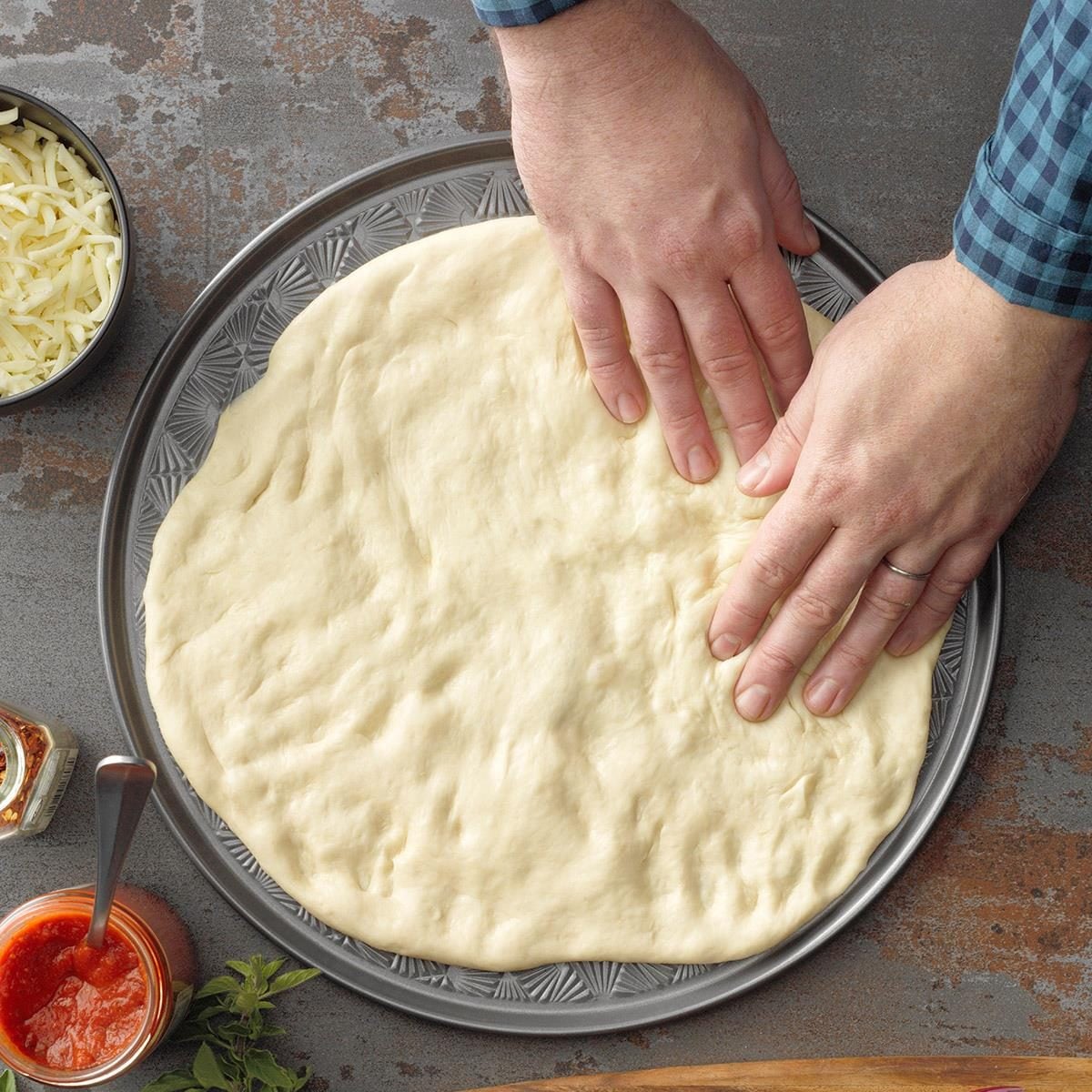
- Shaping Your Crust: When ready to bake, take a dough ball, coat it lightly in flour, and press it out into a fat round disc on a flour-dusted surface. Gently pick up the disc and use gravity to help stretch it, rotating it and allowing it to hang from your hands until it reaches your desired thinness (around 0.5cm thick), ensuring you leave a slightly thicker rim for the crust. Avoid making holes! For an even easier approach, or if you're making pizzas in advance, roll the dough out into rough circles and place them on olive-oil-rubbed and flour-dusted tin foil. You can stack these, cover with clingfilm, and refrigerate until needed. For tips on achieving specific crust textures like crispy or chewy, refer to our guide on Easy Homemade Pizza Dough: Master Your Perfect Crispy & Chewy Crust.
- Preheat Your Oven: For the best results, a screaming hot oven is key. Preheat your conventional oven to its maximum temperature, typically 250°C/500°F/Gas 9, at least 30-45 minutes before baking. If you have a pizza stone or steel, place it in the oven during preheating to get it incredibly hot – this will give you an amazing crispy bottom crust.
Troubleshooting Your Homemade Pizza Dough
Even with the best homemade pizza dough recipe, sometimes things don't go as planned. Here are common issues and how to fix them:
- Dough Not Rising:
- Cause: Yeast is dead, water was too hot (killed yeast) or too cold (didn't activate yeast), or the room is too cold.
- Fix: Ensure your yeast is fresh. Test yeast by mixing it with warm water and sugar; it should foam within 5-10 minutes. Find a warmer spot for your dough to rise.
- Sticky Dough:
- Cause: Too much hydration (too much water for the flour), not enough kneading, or flour with low protein content.
- Fix: Add a tablespoon of flour at a time during kneading until it's more manageable. Ensure you're kneading sufficiently to develop gluten.
- Tough or Dense Crust:
- Cause: Over-kneading, not enough rising time, or too much flour added.
- Fix: Knead until smooth and elastic, but don't overdo it. Allow the dough to fully double in size during the first rise. Ensure your flour-to-water ratio is correct.
- Crust is Dry or Crumbly:
- Cause: Not enough hydration, old flour, or over-baking.
- Fix: Ensure you're using fresh flour. You might need to add a little more water next time, or reduce baking time slightly.
Conclusion
Embarking on the journey of making your own homemade pizza dough recipe is a rewarding culinary adventure. With this simple recipe and these detailed tips, you have all the tools you need to create a pizza crust that surpasses any store-bought alternative. From the satisfying process of kneading to the incredible aroma filling your kitchen, every step is a delight. So, gather your ingredients, clear your counter, and prepare to unlock the true potential of homemade pizza – crispy, chewy, and utterly delicious. Happy baking!
